
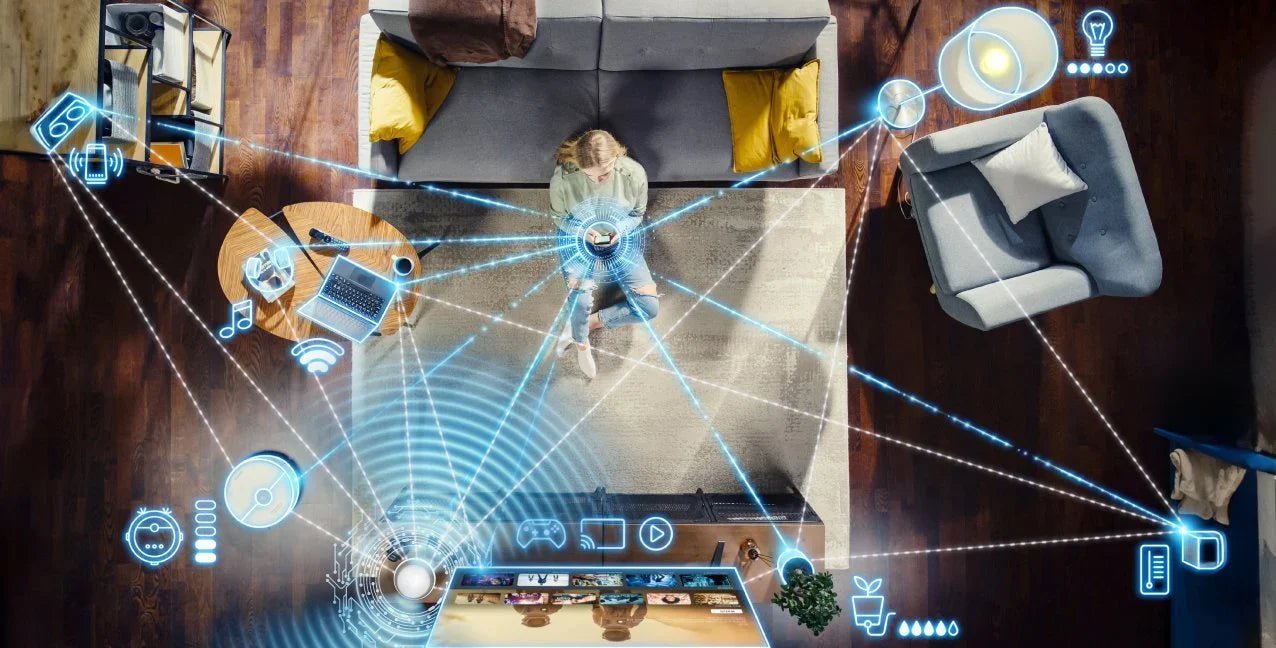
Browsing the frequently changing realm of smart home modern technology can really feel overwhelming when it concerns choosing the proper networking service. Bluetooth Mesh and Zigbee attract attention as two extensively popular cordless networking methods for smart home devices. Both protocols come with distinctive advantages and disadvantages, and the choice between them can greatly influence the high quality of your smart home configuration. This blog entry delves into the crucial differences in between Bluetooth Mesh and Zigbee, their respective environments, and user interactions to assist you in making a well-informed decision.
Starting with the Fundamentals
Zigbee: A Proven Wireless Protocol
The Zigbee Alliance, formed in 2001, developed the Zigbee criterion for wireless communication. The initial criterion, Zigbee 1.0, debuted in 2004, and one of the most recent iteration, Zigbee 3.0, was introduced in 2016. Operating mostly on the 2.4 GHz frequency band, Zigbee supports a data transfer rate of up to 250 kbps, making it appropriate for a vast array of smart home gadgets.
One of Zigbee's standout functions is its capacity to support multiple network topologies, consisting of star, tree, and mesh setups. In smart home situations, Zigbee typically employs a mesh topology, allowing tools to interact via multiple pathways. This redundancy indicates that if one gadget stops working, the network can still operate, improving reliability.
Bluetooth Mesh: The New Contender
Bluetooth modern technology has been around considering that the 1990s, initially developed for short-range interaction between devices like mobile phones and headsets. Nevertheless, it had not been until the introduction of Bluetooth Low Energy (BLE) in 2010 and the succeeding release of Bluetooth 5.0 in 2016 that Bluetooth started to make significant inroads right into the smart home market. The Bluetooth Mesh requirement was presented in 2017, making it possible for low-power Bluetooth devices to connect in a many-to-many setup.
Bluetooth Mesh additionally operates in the 2.4 GHz frequency band, yet it flaunts a higher optimum information transmission rate of 2 Mbps. Like Zigbee, Bluetooth Mesh sustains a mesh network topology, permitting gadgets to relay messages to each other and maintain communication even if some devices go offline.
A Key Strength of Zigbee: Its Comprehensive Ecosystem
Zigbee has a substantial advantage in its vast network of compatible products. Renowned brands such as Tuya and Aqara offer Zigbee-enabled devices, including smart home automation solutions, sensors, and climate control systems. The widespread compatibility of these devices can be credited to the Zigbee 3.0 protocol, which promotes seamless integration and interaction among products from numerous manufacturers.
For example, a Zigbee smart plug from one brand name can quickly attach to a Zigbee gateway from another brand name, permitting a cohesive smart home experience. Additionally, Zigbee devices can be incorporated right into open-source systems like Home Assistant, more boosting their adaptability.
The Bluetooth Mesh ecosystem lags in growth and cohesion. Although popular brands such as Xiaomi and Tmall Genie have introduced Bluetooth Mesh-enabled products, the overall selection is limited compared to Zigbee's offerings. Furthermore, Bluetooth compatibility problems can arise when trying to incorporate devices from various suppliers.
For instance, a Bluetooth Mesh device that deals with Xiaomi's ecological community might not work with Tmall Genie or other systems. This lack of standardization can restrict your options if you wish to blend and match gadgets from various brand names.
User Experience: Installation and Usage
Configuring Zigbee Gadgets
The procedure of setting up Zigbee gadgets is normally straightforward. To illustrate, when pairing a Zigbee switch with a Tuya gateway, individuals simply require to confirm that the device remains in pairing setting, and the Tuya application will certainly identify and link to it by itself. This procedure is usually smooth and very easy to browse, which suggests it can be used by people with differing degrees of technical experience.
In addition, Zigbee gadgets can be incorporated into Home Assistant with relative ease, enabling individuals to regulate their devices from a solitary interface. This flexibility is a considerable benefit for those wanting to create a tailored smart home experience.
Setting Up Bluetooth Mesh Devices
On the other hand, setting up Bluetooth Mesh gadgets can be much more complex. While connecting a Bluetooth Mesh switch to a Xiaomi gateway is fairly easy, incorporating these devices right into systems like Home Assistant can be tough. Customers frequently need to rely upon brand-specific integrations, which may not always be straightforward.
Unlike Zigbee devices, which can be easily incorporated right into Home Assistant, Bluetooth Mesh tools may demand extra setup or may not be supported at all, creating a barrier for individuals that value an easy setup experience.
Performance and Reliability
Zigbee's Reliability
Zigbee's mesh networking abilities give a durable and reliable interaction framework. The capability to reroute messages via numerous paths ensures that the network remains useful even if some gadgets go offline. This self-healing capacity is particularly beneficial in larger homes or settings with many gadgets.
Bluetooth Mesh: A Work in Progress
While Bluetooth Mesh also supplies a self-healing network, its efficiency can differ relying on the specific devices and ecosystems involved. Users may experience connectivity issues if they try to mix tools from various brands or ecosystems, resulting in prospective disappointment.
Ultimately, the choice between Bluetooth Mesh and Zigbee boils down to your specific needs and concerns. If you're seeking a fully grown modern technology with a substantial variety of compatible products, Zigbee is most likely the means to go. Its proven record of compatibility and dependability makes it an ideal choice for those aiming to develop a smooth and incorporated smart home system.
On the other hand, if you are already invested in a particular ecosystem, such as Xiaomi or Tmall Genie, and prefer the convenience of Bluetooth Mesh gadgets, then that may be the way to go. Simply know the prospective limitations in compatibility and setup intricacy.
To summarize, Bluetooth Mesh and Zigbee each deal unique advantages and barriers. Knowing the distinctions between these two standards will aid you pick the one that straightens best with your smart home requirements. Whether you go with Zigbee or Bluetooth Mesh, the essential facet is to ensure that your gadgets cooperate efficiently to develop a natural and pleasurable smart home atmosphere.
Feel free to share your ideas or experiences with either protocol in the remarks listed below! Your insights can aid others in their smart home journey.

